
FiveM.social

Create public social pages, publish feed posts, and surface them in FiveM.

Following

People hematology123 follows

Open list

No following yet

This account is not following anyone yet.

Followers

People following hematology123

Open list

No followers yet

This account has not been followed yet.

Posts

Published feed

White Blood Cells: Understanding the Body’s Defense System

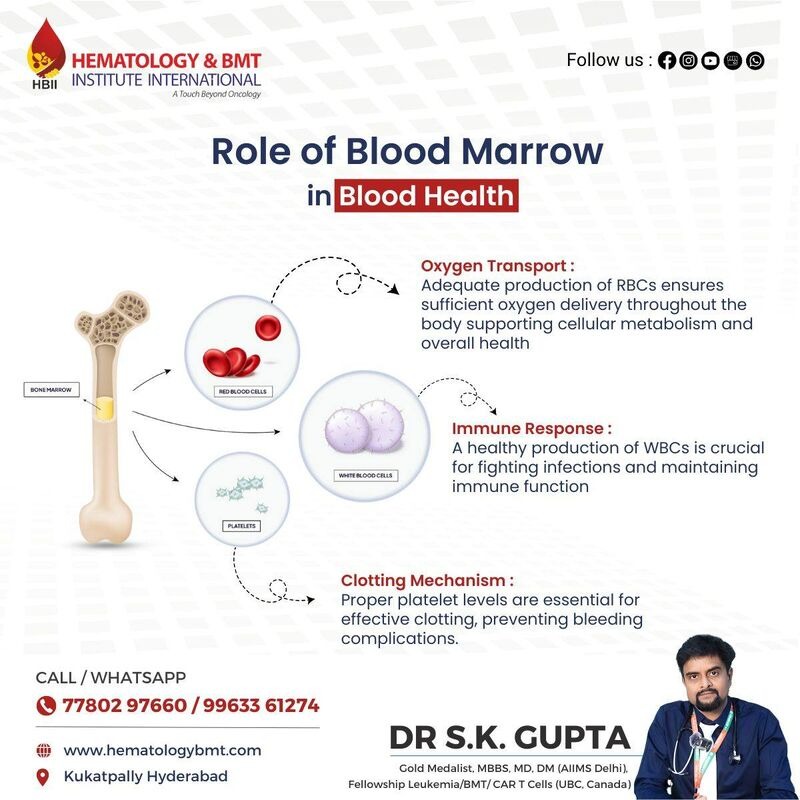
White blood cells (WBCs), also called leukocytes, are an important part of the immune system. They help the body identify and respond to infections, foreign substances, and other threats. Produced primarily in the bone marrow, different types of white blood cells perform different roles in protecting overall health.

The main types include neutrophils, lymphocytes, monocytes, eosinophils, and basophils. Neutrophils help fight many bacterial and fungal infections, while lymphocytes play important roles in immune responses. Monocytes help remove damaged cells and certain harmful organisms, and eosinophils and basophils are involved in specific immune and inflammatory responses.

A white blood cell count is commonly included in a complete blood count (CBC). Abnormally high or low WBC levels can occur for many reasons, including infections, medications, immune conditions, nutritional problems, or certain blood and bone marrow disorders.

If a blood test shows an unusual white blood cell count, the result needs to be interpreted alongside symptoms, medical history, and other laboratory findings. A hematologist can evaluate persistent or unexplained abnormalities and recommend further testing when appropriate.

Understanding white blood cells can help patients better understand their blood test results and the role of the immune system in maintaining health.
(https://hematologybmt.com/)
Reply 0 Boost 0 Favorite 0 Bookmark Report

Nutrition During Cancer Treatment and Bone Marrow Transplant Recovery

Maintaining proper nutrition during cancer treatment and bone marrow transplant recovery can support the body's changing needs. Cancer therapies and BMT may affect appetite, digestion, taste, and the body's ability to maintain strength, making adequate nutrition an important part of supportive care.

A balanced diet may include appropriate sources of protein, carbohydrates, healthy fats, fruits and vegetables, and sufficient fluids, depending on the patient's treatment plan. Protein can help support muscle maintenance and tissue repair, while adequate calories can help prevent unwanted weight loss.

After a bone marrow transplant, food safety may become especially important because patients can have increased infection risks during certain stages of recovery. The treating team may provide specific recommendations regarding food preparation, hygiene, and foods to avoid.

Every patient's nutritional requirements are different. Factors such as cancer type, treatment, transplant stage, blood counts, medications, and existing nutritional concerns can influence dietary recommendations.

Patients undergoing cancer treatment or BMT should discuss their nutritional needs with their healthcare team rather than following a restrictive diet or taking supplements without professional advice.
https://hematologybmt.com/blood-cancer/

Reply 0 Boost 0 Favorite 0 Bookmark Report

When Is Fatigue More Than Just Tiredness?

Fatigue is common after a busy day, poor sleep, stress, or physical activity. However, persistent or unexplained fatigue may sometimes indicate an underlying health condition. If tiredness continues despite adequate rest, it may be worth discussing with a healthcare professional.

In some cases, fatigue can be associated with blood-related conditions such as anemia, iron deficiency, vitamin deficiencies, blood disorders, or certain hematological conditions. Other symptoms, including weakness, dizziness, shortness of breath, pale skin, frequent infections, unexplained weight changes, or unusual bleeding, may provide additional clues.

A hematologist can evaluate persistent fatigue by reviewing your medical history and recommending appropriate blood tests when necessary. These may help identify changes in hemoglobin, red blood cells, white blood cells, platelets, or other blood parameters.

Fatigue does not always mean that a serious condition is present, but persistent symptoms should not be ignored. If you have ongoing tiredness without an obvious explanation, consider speaking with a qualified healthcare professional for proper evaluation and guidance.
https://hematologybmt.com/blood-cancer/

Reply 0 Boost 0 Favorite 0 Bookmark Report